
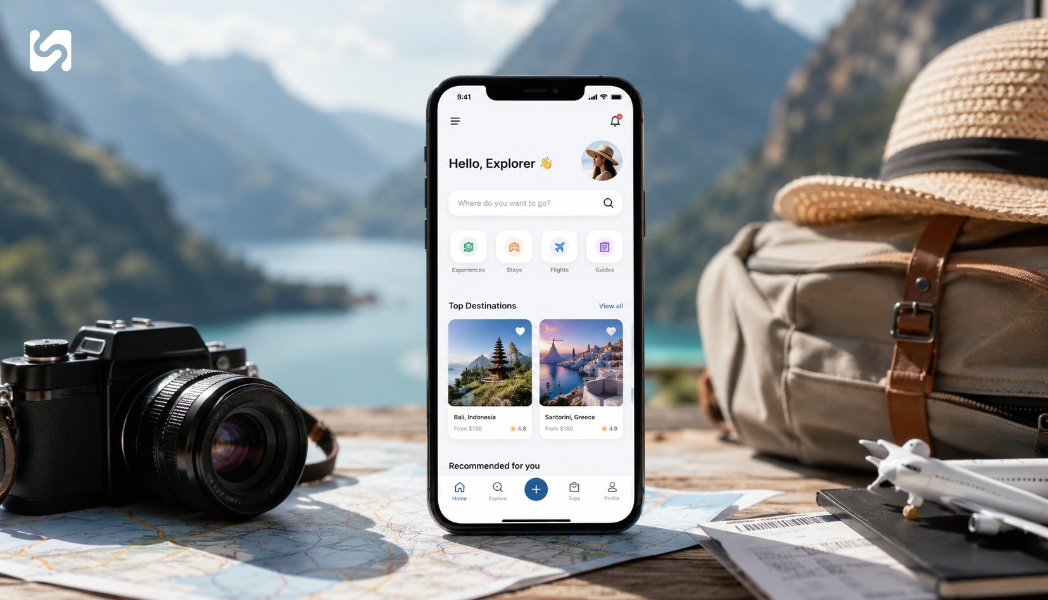
Creator-Led Travel Marketplace Development: Complete Guide
 by Sumit Kumar
Summary – This guide covers everything you need to know about creator-led travel marketplace development: what the platform is, why the market timing is right, how it works, the business model, essential features, shoppable travel content, AI capabilities, the full tech stack, required third-party APIs, development costs, monetization strategies, and why Sonic TechPro is the right team to build it.
Creator-Led Travel Marketplace Overview
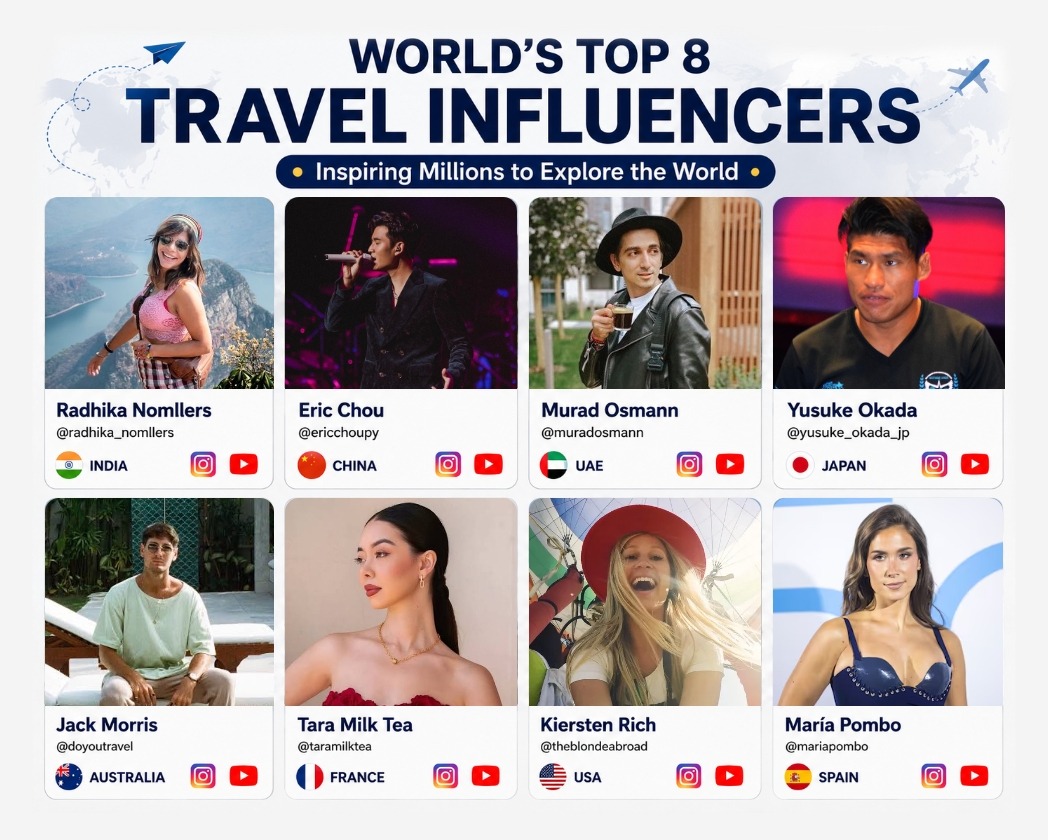
A UK-based travel startup came to us with a problem that sounded simple on the surface: people were finding experiences they loved online, but never actually booking them.
They had done the research. Their target users — experience-first travelers — were saving ideas across Instagram, browser tabs, and notes apps. They had lists everywhere. What they did not have was a single place to go from “I want to do this” to “this is booked.” The inspiration and the transaction were completely disconnected, and somewhere in that gap, most people gave up.
We built Book It List to close it — a unified platform that lets travelers discover curated experiences, save them into personal lists, and book directly, across iOS, Android, and web, without ever losing the thread of what inspired them in the first place. Four months from discovery to launch. The platform is live in the UK today.
What we learned building it changed how we think about the next generation of travel commerce.
There’s a gap in the travel industry that nobody is solving cleanly.
A traveler watches a 90-second video of a creator exploring a rooftop bar in Lisbon, hiking a trail in Patagonia, or checking into a boutique hotel in Kyoto. The feeling is immediate they want to go. So what do they do? They leave the video, open a new browser tab, fire up Google, search for the hotel name, land on Booking.com, lose the context they were just in, and spend 40 minutes filtering results trying to recreate what they saw.
The inspiration was bookable. The tools weren’t connected.
“A creator with 40k followers told me that they were manually DMing hotel recommendations to followers and had no way to track whether anyone booked”
Creator-led Travel marketplace development solves this. It closes the gap between discovery and transaction by putting a booking flow directly inside the creator’s content. The video, the destination, the hotel, the tour, the itinerary: all linked. One tap to book. The gap between that inspiration and the actual booking is where a creator-led travel marketplace lives.
If you’re thinking about building a creator-led travel marketplace platform, or an influencer-led travel marketplace , this guide gives you the complete picture.
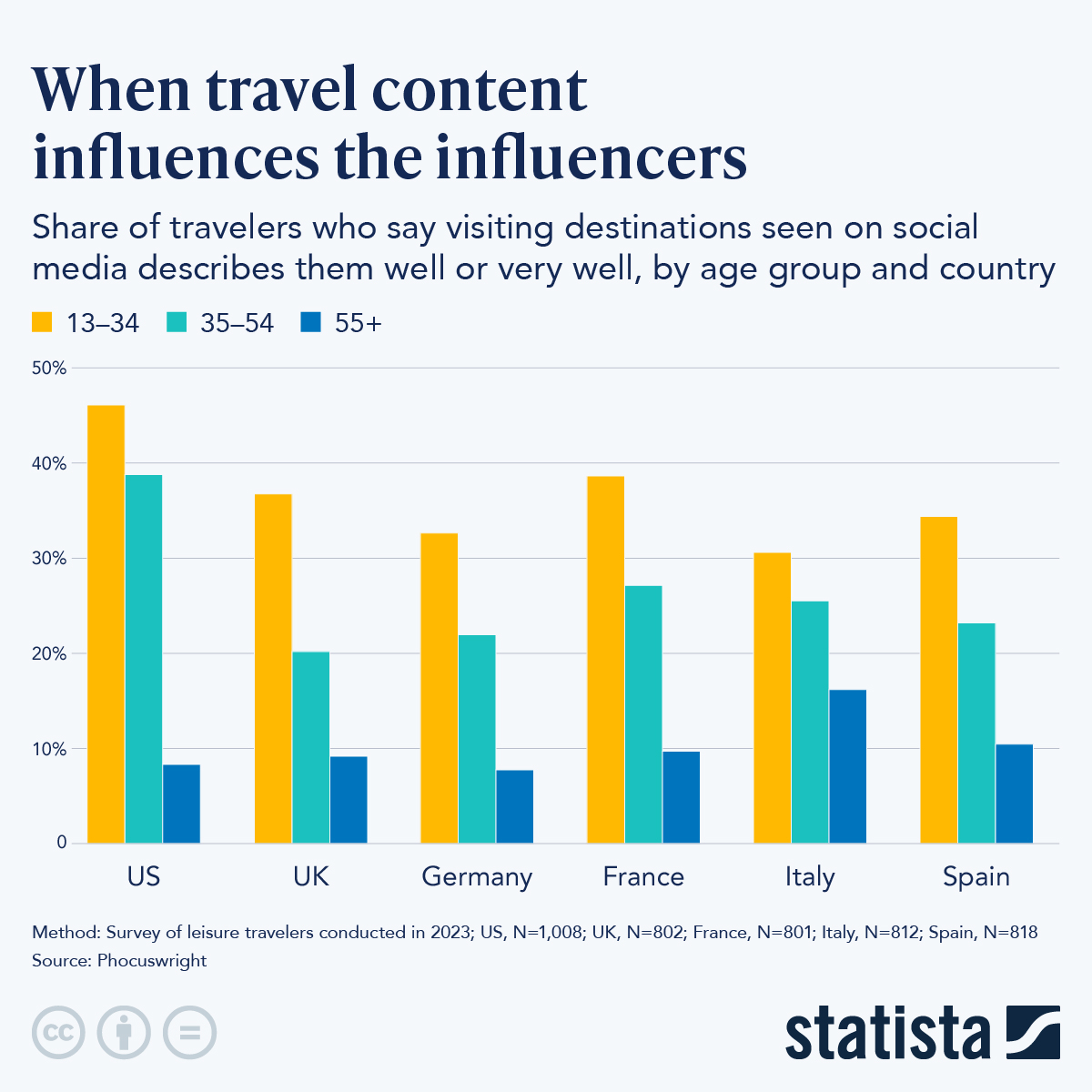
You will find more infographics at Statista
The 10 Stats That Make the Case for Creator-Led Travel Marketplace Development
Before getting into the how, here’s the data that explains why this market exists right now:
| Stat | Latest Figure | What It Means for Travel Commerce | Source |
| Social Discovery | 60%+ | More than 60% of consumers cited social media as a source of travel inspiration in 2025, up from 35% in 2023. | |
| Creator Influence | 70%+ | More than 70% of consumers said an influencer recommendation impacted their decision to book a travel element or trip. | |
| Purchase Intent | ~75% | Nearly 75% of consumers said they would likely purchase a travel package based solely on an influencer recommendation. | |
| Content → Decision | 62% | 62% of social users made a specific trip decision after viewing social media content. | |
| Digital Booking | 951.6M | 951.6 million guest nights were booked through major online short-stay platforms in the EU during 2025. |
Why Creators Are Becoming a New Distribution Channel of Travel Industry
Creator-led travel commerce operates at an earlier stage of the journey — the inspiration stage. A traveler discovers a destination because a creator showed them something they’d never considered. That’s demand generation at scale, done through authentic storytelling rather than paid search.
Three things make travel creators especially effective as a distribution channel:
They operate in high-trust environments. A micro travel influencer with 80,000 engaged followers in the adventure travel niche carries more conversion weight than a banner ad shown to millions. Their audience chose to follow them, has watched dozens of their videos, and trusts their recommendations. That trust transfers to booking decisions in a way that traditional advertising cannot replicate.
They create content that ages well. A well-produced travel video on YouTube about Lisbon from 18 months ago still generates views today. Every view is a potential booking. Compare that to a paid ad that stops the moment the budget stops.
The affiliate model aligns incentives perfectly. When a creator earns a commission on every booking generated from their content, they’re motivated to recommend what genuinely converts — bookable destinations, good hotels, reliable tours. Not just aspirational content that gets likes.
What Is a Creator-Led Travel Marketplace?
A creator-led travel marketplace is a platform where travel creators, travel influencers, and travel content creators publish shoppable travel content — videos, reels, itineraries, destination guides, and travel experiences — with direct booking links embedded in the content.
Travelers discover hotels, tours, activities, and destinations through a creator’s recommendation rather than a search bar. They tap a tagged product inside a video or itinerary, see real-time availability and pricing, and complete a booking without leaving the platform.
The platform connects four parties:
- Travel creators: publish content, build storefronts, earn commissions
- Travelers – discover and book through trusted creator recommendations
- Travel businesses: hotels, tour operators, experience providers list inventory and reach new audiences
- The platform (you): takes a commission on transactions, subscription fees, and listing fees
What separates a creator-led travel marketplace from a travel blog with affiliate links is the infrastructure: real-time inventory, live booking flows, commission attribution, creator dashboards, and a content discovery layer built for travel.
Key Users of Creator Led Travel Marketplace Development
| Travelers | Travel Creators | Travel Businesses | Platform Admin |
| Discover destinations | Create travel content | Hotels | Manage users |
| Follow creators | Publish itineraries | Tour operators | Verify creators |
| Save itineraries | Recommend products | Activity providers | Manage bookings |
| Book experiences | Sell guides | Local guides | Manage commissions |
| Purchase guides | Promote experiences | Destination businesses | Monitor content |
| Creator discovery | Travel itinerary builder | Guides | Track platform performance |
| Save content | Digital guide creation | Itineraries | Manage Businesses |
| Wishlist | Experience listing | Travel packages | Paid Promotions |
| Booking | Affiliate links | ||
| Reviews | Commission tracking |
How Does a Creator-Led Travel Marketplace Work?
The flow is straightforward in concept, though the technical architecture behind it is not:
- A travel creator signs up, builds a profile, and publishes a travel video, reel, or written itinerary on the platform.
- Within that content, they tag hotels, activities, experiences, and destinations using the platform’s booking inventory.
- A traveler discovers the content through the platform’s discovery feed, search, or AI-powered recommendation engine.
- The traveler taps a tagged hotel or tour. A booking drawer opens with live availability, pricing, and a checkout flow.
- The booking confirms. The travel business receives the reservation. The creator receives a commission. The platform takes its cut.
- The platform’s analytics dashboard shows the creator how many views converted to bookings, which content performs best, and their total earnings.
The creator doesn’t need to manage inventory, handle payment processing, deal with refunds, or coordinate with hotels directly. The platform handles all of that. The creator’s job is to create content that inspires travel decisions.
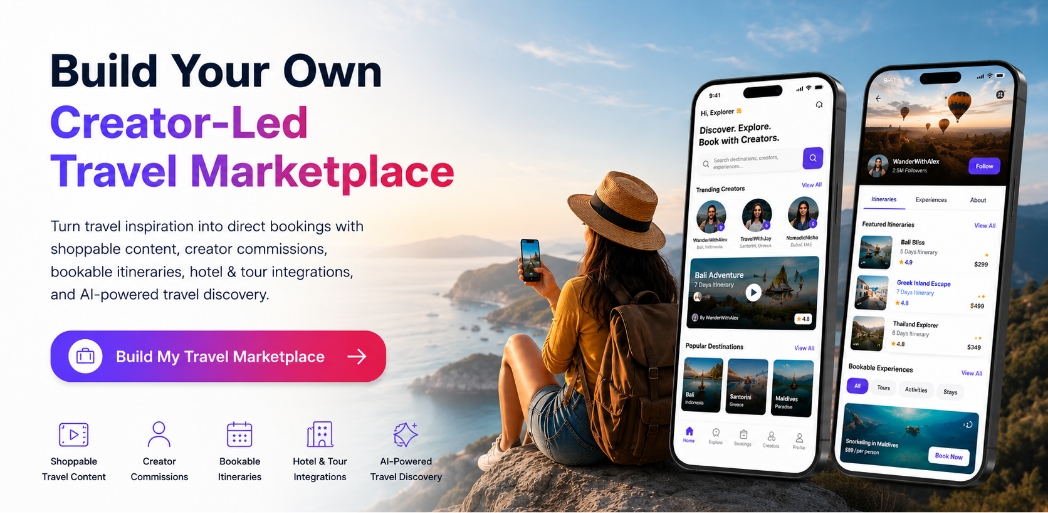
Why Build a Creator-Led Travel Marketplace?
The business case has multiple revenue legs and a strong network effect.
On the supply side, travel businesses – hotels, boutique properties, local tour operators, experience curators are actively looking for alternatives to Booking.com and Expedia. Those platforms charge commissions of 15–25% and offer no differentiation. A creator marketplace gives them access to a highly engaged, travel-intending audience through authentic content rather than algorithm-based search results.
On the demand side, a growing number of travellers – particularly millennials and Gen Z don’t start their trip planning on OTAs. They start on Instagram, TikTok, and YouTube. A platform that captures that behavior and converts it has a structural advantage over traditional booking channels.
And on the creator side, a formal travel creator marketplace solves a real problem. Creators who drive significant booking revenue through affiliate links right now have no central platform that manages their commissions, provides analytics, handles disputes, or helps them build a structured travel business. They’re piecing together spreadsheets and separate affiliate accounts.
A well-built creator-led travel marketplace platform gives all three sides something they can’t get elsewhere.
Business Model for a Creator Led Travel Marketplace
The creator travel marketplace business model works because it monetizes both sides of the transaction: the travel business and the creator.
The Booking Commission is the core revenue stream. Every confirmed booking on the platform generates a commission, typically 8–15% for hotels and tours. The platform keeps a portion and shares the rest with the creator.
Creator Commission Split is how you attract and retain creators. A platform that gives creators 40–60% of the booking commission it earns is far more attractive than a standard 3–5% affiliate program. The creator brings the audience. The platform provides the infrastructure. Both share the economics.
Listing Fees charge travel businesses hotels, tour operators, experience providers to list their inventory on the platform. Monthly or annual fees work well for smaller operators who want visibility without committing to booking minimums.
Subscription Plans for creators offer tiered access. A free tier gets basic creator profiles and affiliate links. A paid tier adds analytics dashboards, premium itinerary tools, direct booking integration, and priority discovery placement.
Featured Listings and Sponsored Placements charge travel businesses for premium visibility inside creator content feeds and platform search results.
Paid Travel Content premium itineraries, destination guides, and curated travel plans that travelers pay to access creates a direct content monetization layer separate from bookings.
Advertising from destination marketing organizations and travel brands who want placement inside the platform’s discovery experience.
What Essential Features of a Creator-Led Travel Marketplace
Creator Profiles and Storefronts
Every creator gets a dedicated profile that functions as a travel storefront. This includes a bio, niche tags (adventure, luxury, budget, solo, family), their curated destination list, past itineraries, booking performance stats, and direct booking links. Think of it as a creator’s travel agency identity within the platform.
Traveler Discovery Feed
The main experience for travelers is a content feed driven by AI recommendation. Videos, travel reels, itineraries, and photo essays surface based on the traveler’s search history, saved destinations, past bookings, and engagement patterns. The feed needs to feel like a discovery experience — not a filtered search results page.
Booking and Reservation System
The core transaction layer. When a traveler taps a tagged hotel, tour, or experience, a booking drawer appears with live inventory, pricing, availability calendar, and a checkout flow. Bookings confirm in real time. Cancellation policies and booking terms are displayed at point of purchase.
Creator Commission and Earnings Dashboard
Creators need a dashboard showing: total views per piece of content, click-through rates on booking tags, confirmed bookings attributed to their content, pending and paid commissions, and performance trends over time. This data is what separates a professional creator platform from a basic affiliate link aggregator.
Itinerary Builder
A tool for creators to build structured, multi-day travel itineraries — day by day, with hotel tags, activity links, restaurant recommendations, transport notes, and estimated costs. Travelers can save itineraries to their profile or book the entire itinerary in one checkout flow.
Travel Business Listings and Operator Dashboard
Hotels, tour operators, and experience providers get a listing dashboard to manage their inventory, set pricing, configure availability, view booking performance, and track commissions paid to creators who drove their bookings.
In-App Messaging
Direct messaging between travelers and creators for custom trip advice, itinerary requests, or pre-booking questions. This is where a creator acts as a travel advisor.
Reviews and Verification
Both travel experiences and creator recommendations need review systems. Traveler reviews of booked experiences build trust in the platform’s listings. Creator credibility scores (based on booking accuracy, response rates, and traveler satisfaction) help travelers choose reliable recommendations.
Saved and Wishlist Features
Travelers save destinations, itineraries, hotels, and creator profiles to personal wishlists. This behavior creates re-engagement loops: a traveler who saves a creator’s Lisbon itinerary today is a warm lead for a future booking.
Push Notifications and Price Alerts
Notify travelers when a saved hotel drops in price, when a creator they follow publishes new content, or when a live shopping event is starting.
Shoppable and Bookable Travel Content: The Core Differentiator
This is what separates a creator-led travel marketplace from every other travel platform on the market. The content itself is the commerce layer.
Here’s how the full shoppable content chain works:
Video → Destination → Hotel → Activity → Itinerary → Booking
A creator publishes a travel video. While editing and publishing, they tag elements directly within the video timeline: at 0:23, a hotel appears → the creator links it to the hotel’s live booking inventory. At 1:15, a boat tour appears → tagged and linked to a Viator experience with real-time availability. At 2:45, a restaurant → tagged with a reservation link.
The traveler watching that video sees subtle product tags appear at the relevant moments. They tap. A booking sheet slides up without pausing the video. They book.
The features that make this possible:
Shoppable Travel Videos: In-video product tagging with linked booking inventory. Creators tag hotels, tours, and activities at specific timestamps. Travelers tap tags without interrupting playback.
Bookable Travel Reels: Short-form vertical video (15–90 seconds) with embedded booking CTAs at the end or as an overlay. Optimized for mobile-first discovery.
Interactive Maps: Creators drop pins on a map for every location in their content. Travelers explore the map, tap pins to see the creator’s photos and notes, and book directly from the map view.
Hotel Tagging: Creators link specific hotels and room types from the platform’s live inventory. Tags show current pricing and availability without leaving the video.
Experience and Activity Tagging: Tours, cooking classes, diving trips, local experiences all tagged from live Viator, GetYourGuide, or direct operator inventory.
Creator Itinerary Links: A complete, bookable trip plan. Travelers see Day 1 through Day 7 with every hotel and activity pre-linked. One checkout flow for the whole trip.
Direct Booking: All bookings happen within the platform. No redirects to external OTAs.
Affiliate Attribution: Every tagged booking records the creator ID, content ID, and timestamp for commission attribution. If a traveler clicks a creator’s hotel tag today and books tomorrow after leaving the platform, the creator still gets credited through a cookie or session window.
What Are the AI Features for a Creator Led Travel Marketplace
AI is what makes a creator led travel marketplace scale. Without it, the platform is a static directory of creator profiles. With it, it becomes a personalized travel discovery engine.

You will find more infographics at Statista
AI Travel Recommendations The platform analyzes each traveler’s saved content, viewed videos, past bookings, search queries, and stated preferences to surface creator content most likely to match their travel intent. A traveler who repeatedly saves coastal destinations and boutique hotels sees more of that, not jungle lodges.
AI Itinerary Generator Travelers input a destination, travel dates, budget, and travel style. The AI generates a multi-day itinerary populated with creator-recommended hotels, tours, and restaurants — all bookable. Creators whose content was used in the generated itinerary receive attribution commission if bookings convert.
AI Creator Matching For travel businesses wanting to run creator campaigns, the AI matches their property or experience with the most relevant creators on the platform based on niche alignment, audience demographics, past performance metrics, and geographic content history.
AI Content Generation for Creators Creators can input a destination, dates, and travel notes, and the AI generates caption suggestions, itinerary descriptions, hashtag sets, and SEO-optimized destination guide text. This doesn’t replace the creator’s voice — it accelerates production.
AI Travel Assistant (Conversational) A chat-based assistant travelers can query: “What’s the best place to stay in Dubrovnik for under $150 a night based on what travel creators recommend?” The assistant pulls from the platform’s creator content database and booking inventory to generate a specific, bookable answer.
Personalized Destination Discovery Machine learning builds individual traveler taste profiles over time, travel style, budget signals, companion type (solo, couple, family), destination history and uses these to weight discovery feed rankings.
Smart Search Natural language search that understands intent beyond keywords. “Warm beach trip in October under $2,000 from NYC” returns creator content and bookable packages that match all four criteria simultaneously.
Dynamic Pricing Insights for Creators Tells creators which destinations are experiencing booking demand spikes, which experiences are trending, and which types of content convert best right now — so they can align their content calendar with actual booking behavior.
AI-Powered Booking Fraud Prevention Detects unusual booking patterns, duplicate reservations, and commission fraud attempts in real time before transactions confirm.
Predictive Travel Analytics Platform-level dashboards showing which creator niches are growing, which destinations have rising demand, and where supply gaps in the platform’s listings exist. Useful for platform operators to make decisions about which creator categories to grow.
From Prompt to Plan: AI in Travel
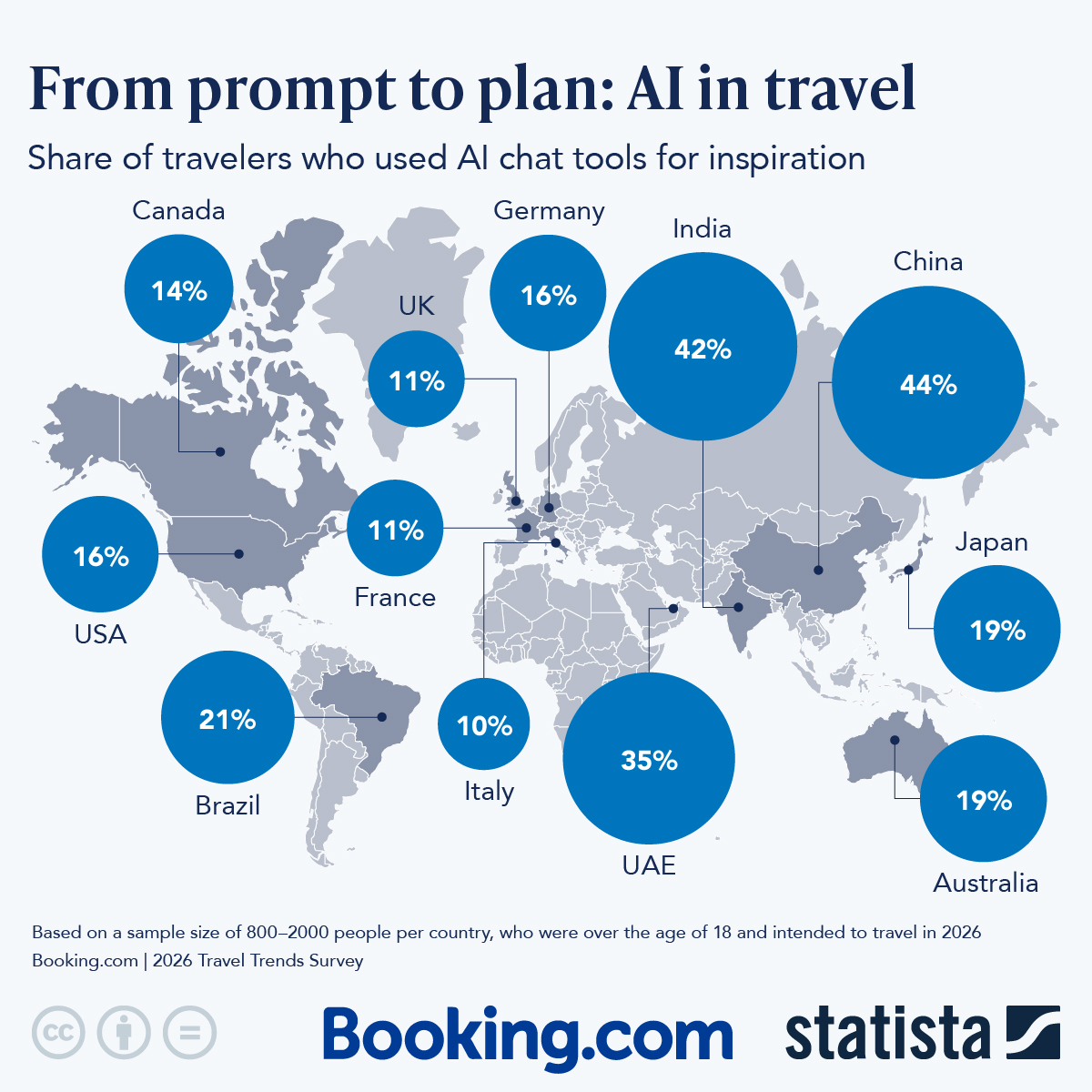
You will find more infographics at Statista
What Tech Stack Is Required to Develop a Creator Travel Marketplace?
The technology choices here matter because a creator marketplace has to handle several complex systems simultaneously: real-time media streaming, live booking transactions, affiliate attribution, creator payments, and personalization. Here’s the stack that works.
Frontend (Mobile App) React Native or Flutter for cross-platform iOS and Android apps from a single codebase. For web, Next.js delivers the server-side rendering that travel marketplace SEO requires creator itineraries and destination pages need to rank in Google, which requires indexable, server-rendered HTML.
Backend Node.js with Express or NestJS for the primary API layer — event-driven and well-suited for high-concurrency booking requests. Python handles AI and machine learning workloads, either as a separate service layer or integrated via FastAPI.
Database PostgreSQL for transactional data: bookings, user accounts, creator profiles, commission records. Redis for caching high-frequency reads: search results, creator content feeds, real-time availability snapshots. Elasticsearch for the platform’s search engine — full-text search across destinations, creators, and itineraries.
Video Infrastructure AWS Elemental MediaConvert or Mux for video transcoding and adaptive streaming. Cloudflare Stream or AWS CloudFront as the CDN layer for video delivery. HLS (HTTP Live Streaming) for broad device compatibility.
Cloud Infrastructure AWS or Google Cloud Platform, with containerization via Docker and Kubernetes for horizontal scaling. The platform needs to scale during peak booking periods (holiday seasons, Black Friday travel deals) without performance degradation.
Payments Stripe Connect for marketplace payments — it handles multi-party payouts, creator commission disbursements, refunds, and multi-currency transactions. For markets where Stripe isn’t dominant, integrate Razorpay (India), PayPal, or Adyen.
Authentication Auth0 or Firebase Authentication for user login — supporting email/password, Google, Apple, and social logins. JWT tokens for API session management.
Commission and Attribution Tracking Custom-built or Impact.com for affiliate tracking. Every creator’s booking tag generates a unique attribution link. Bookings are tracked through a combination of session cookies, device fingerprinting, and logged conversion events.
Push Notifications Firebase Cloud Messaging (FCM) for Android, APNs for iOS — handles price alerts, booking confirmations, creator content notifications, and live shopping event alerts.
Analytics and Monitoring Mixpanel or Amplitude for product analytics. Sentry for error tracking. Datadog for infrastructure monitoring.
What Third-Party API Integrations Are Required?
The creator marketplace can’t operate without live inventory. These are the integrations that provide it:
Flights Amadeus Self-Service APIs (for startups; covers 400+ airlines, real-time availability, fare comparison) or Duffel (modern REST API, faster to integrate than traditional GDS, better developer experience). For global scale with corporate fares, Sabre or Travelport.
Hotels Expedia Rapid API (700,000+ properties globally, strong North America and Asia coverage). HotelBeds for independent and boutique properties. Booking.com Affiliate API for display and search; direct booking requires a partnership agreement. Agoda Partners for Southeast Asia inventory.
Tours and Activities Viator API (TripAdvisor’s activity marketplace — thousands of experiences globally; Affiliate API integrates in 1–4 weeks; Merchant API takes up to 3 months but gives more booking control). GetYourGuide API (strong European coverage; available to approved partners). Klook API (dominant in Southeast and East Asia). Musement for European cultural experiences.
Maps and Location Google Maps Platform for interactive maps, geocoding, place search, and embedded creator itinerary maps. Mapbox as an alternative for custom-styled maps.
Payments Stripe Connect (primary). PayPal for markets with strong PayPal adoption. Adyen for enterprise-level multi-currency processing.
Affiliate and Commission Tracking Impact.com or CJ Affiliate for tracking creator-attributed bookings, managing commission tiers, and handling payout workflows.
Video Delivery Mux or Cloudflare Stream for creator video hosting and adaptive streaming. Both offer transcoding, thumbnail generation, and analytics APIs.
Identity and Verification Persona or Veriff for creator identity verification (KYC), preventing fraudulent creator accounts and protecting travel businesses from liability.
Email and Notifications SendGrid or Postmark for transactional emails (booking confirmations, commission statements, password resets). Twilio for SMS booking alerts.
Social Authentication Google, Apple, and Facebook OAuth for one-tap traveler and creator login.
How Much Does It Cost to Build a Creator-Led Travel Marketplace App?
Development costs scale with scope. Here’s how to think about it across three build levels:
MVP (Minimum Viable Platform): $80,000–$150,000
What you get: creator profiles with booking affiliate links, a basic shoppable itinerary builder, one hotel or activity API integration (Viator or Expedia), a simple booking commission system, traveler profiles with saved content, a basic discovery feed, Stripe payments, and iOS + Android apps.
Timeline: 4–6 months with a dedicated team.
Best for: Validating the concept with a focused geography (one city or country) and a curated set of 20–50 launch creators.
Mid-Level Platform: $150,000–$300,000
What you get: Everything in the MVP, plus shoppable video with in-video booking tags, AI-powered recommendation feed, multiple API integrations (flights + hotels + activities), creator commission dashboard with real-time analytics, itinerary marketplace, operator listing dashboard, mobile-first live booking flows, and push notification system.
Timeline: 6–10 months.
Best for: Brands ready to launch a full platform and build a two-sided marketplace with real creator onboarding and travel business supply.
Advanced Platform: $300,000–$500,000+
What you get: Full-stack live shopping events, AI itinerary generator, conversational travel assistant, multi-currency support, creator affiliate program management, fraud prevention, dynamic pricing engine, creator matching AI, advanced analytics and reporting, and white-label options for travel brands.
Timeline: 10–18 months.
Best for: Well-funded startups or established travel brands that want to build a creator-based travel marketplace as a primary product.
Ongoing costs (after launch): cloud hosting $500–$3,000/month depending on traffic, API subscription fees (especially GDS APIs), mobile app maintenance, content moderation, and creator support infrastructure.
How to Monetize a Creator-Driven Travel Marketplace?
How Can a Travel Content Creator Make Money?
Travel creators on the platform can earn through multiple channels simultaneously:
Booking Commissions are the primary income stream. A creator’s hotel tag converts to a booking → the platform collects 10–15% commission → the creator receives 40–60% of that. A creator who drives 50 hotel bookings averaging $400 per stay, at a 12% commission rate with a 50% creator share, earns $1,200 per month from a single hotel relationship.
Affiliate Commissions from activity and experience bookings follow the same structure. Viator pays affiliates 8% per confirmed activity booking. GetYourGuide pays 8% with potential for higher tiers. These commissions are tracked through the platform’s attribution system and paid out to creators automatically.
Paid Travel Guides and Premium Itineraries let creators package their expertise. A 7-day Kyoto itinerary with curated recommendations, booking links, and local tips might sell for $15–$30. A creator with 10,000 monthly visitors to their platform profile might convert 3% to paid guide purchases.
Sponsored Experiences are partnerships where a travel business pays a creator to feature their property or tour in a dedicated piece of content. The creator’s platform dashboard tracks these separately from organic affiliate earnings.
Hotel and Tour Direct Commissions can be negotiated by high-performing creators directly with travel businesses, outside of the standard platform commission structure, with the platform facilitating the relationship.
Subscription Memberships allow a creator’s most loyal followers to pay a monthly fee — $5–$15 for exclusive content, private itineraries, or direct messaging access.
Creator-Exclusive Experiences are trips or experiences the creator designs and sells directly to their audience. A “Travel With Me to Morocco” small-group trip where the creator is the guide. The platform handles the booking and payment infrastructure.
Platform Monetization Models
Booking Commission: 10–15% on confirmed bookings. The largest revenue stream once the platform reaches transaction volume.
Listing Fees: $50–$500/month for travel businesses to list inventory, depending on tier.
Subscription Plans: Free creator tier with basic features; Pro tier at x$/month for analytics dashboards, direct booking tools, and featured placement.
Featured Listings: Travel businesses pay month for premium placement in the discovery feed and creator content recommendations.
Advertising: Destination marketing organizations (DMOs) and travel brands buy placement inside the discovery experience and creator content sections.
Revenue Sharing from Paid Content: The platform takes 20–30% of creator guide and itinerary sales.
Challenges to Consider When Developing a Creators-Led Travel Marketplace
Building this platform means solving problems that most travel apps don’t have to deal with simultaneously.
Creator Verification is non-negotiable. A travel marketplace’s credibility depends on the quality of its creators. You need identity verification, past content review, audience authenticity checks, and travel expertise verification before onboarding. Letting anyone call themselves a travel creator and start tagging hotel bookings creates a fraud and trust risk.
Content Moderation at scale is hard. Misleading hotel reviews, inaccurate experience descriptions, sponsored content not disclosed as such — all of these erode traveler trust. You need both automated content moderation tools and human review workflows.
Booking Reliability is the platform’s most critical operational requirement. If a creator tags a hotel and the booking fails, the traveler blames the platform. Real-time inventory sync with hotel and activity APIs requires careful engineering — especially during high-demand periods when availability changes fast.
Commission Management across thousands of creators, hundreds of travel businesses, multiple booking categories, and multiple currencies requires a properly engineered financial system. Errors in commission calculation destroy creator trust quickly.
Refunds and Cancellations need to be handled at the platform level, not passed to the creator or travel business to resolve independently. Clear policies, a dispute resolution workflow, and API-level cancellation handling are all required.
Fraud Prevention covers fake bookings used to generate fraudulent commissions, stolen payment cards used for travel purchases, and fake creator accounts. Machine learning-based fraud detection, velocity checks, and manual review queues are all necessary.
Content Ownership needs to be addressed in creator agreements. Who owns the video content published on the platform? What happens when a creator leaves? Clear IP terms protect both parties.
Data Privacy: Travel platforms collect sensitive personal data: passport numbers, travel dates, accommodation locations. GDPR in Europe, CCPA in California, and similar regulations in other markets create compliance obligations that need to be built in from the architecture stage.
Creator Quality Control is an ongoing operational challenge. A creator who misrepresents a hotel damages the traveler’s experience and the travel business’s reputation. Quality tiers, performance-based rankings, and creator performance tracking help manage this at scale.
Why Choose Sonic TechPro for Travel Creators Led Marketplace Development?
Building a travel influencer and creator-led travel booking app is not a standard app development project. It combines the complexity of a social media platform (content creation, discovery feeds, creator profiles), an OTA (real-time booking, inventory management, payment processing), an affiliate network (commission tracking, payout management, attribution), and an AI recommendation engine.
Most travel app development agencies handle one or two of these well. Sonic TechPro builds all four simultaneously.
Our travel tech development practice covers end-to-end creator marketplace development: product architecture, UI/UX design, native iOS and Android apps, backend API development, third-party travel API integrations (Amadeus, Viator, GetYourGuide, Expedia Rapid, Stripe Connect), creator commission systems, AI recommendation engines, and post-launch support.
We work with travel startups, established travel brands, and destination marketing organizations who are ready to build a creator-led travel marketplace platform that captures the gap between travel inspiration and travel booking.
More Services from Sonic TechPro
- Hotel booking app development
- Vacation rental app development
- Flight booking app development
- Bus Booking App Development
Conclusion: Travel Inspiration Is Becoming Bookable
The travel industry built its discovery layer on search. Travelers typed where they wanted to go, and OTAs competed to show up first. That model still works for travelers who already know their destination.
But a growing share of travel demand starts differently with a creator’s reel showing a place the traveller had never considered, a video that made them think “I need to go there.” That demand currently has nowhere to land cleanly. It leaks out of the social platform into a separate OTA, losing the creator’s attribution and the traveller’s context in the process.
A creator-led travel marketplace catches that demand at the point of inspiration and converts it at the point of booking.
Creators become content publishers, travel advisors, experience curators, and commerce channels simultaneously. Travelers get recommendations from people they trust, with the ability to act on them immediately. Travel businesses get a new distribution channel that reaches high-intent audiences through authentic content rather than paid search.
That’s the platform worth building.
Frequently Asked Questions
